
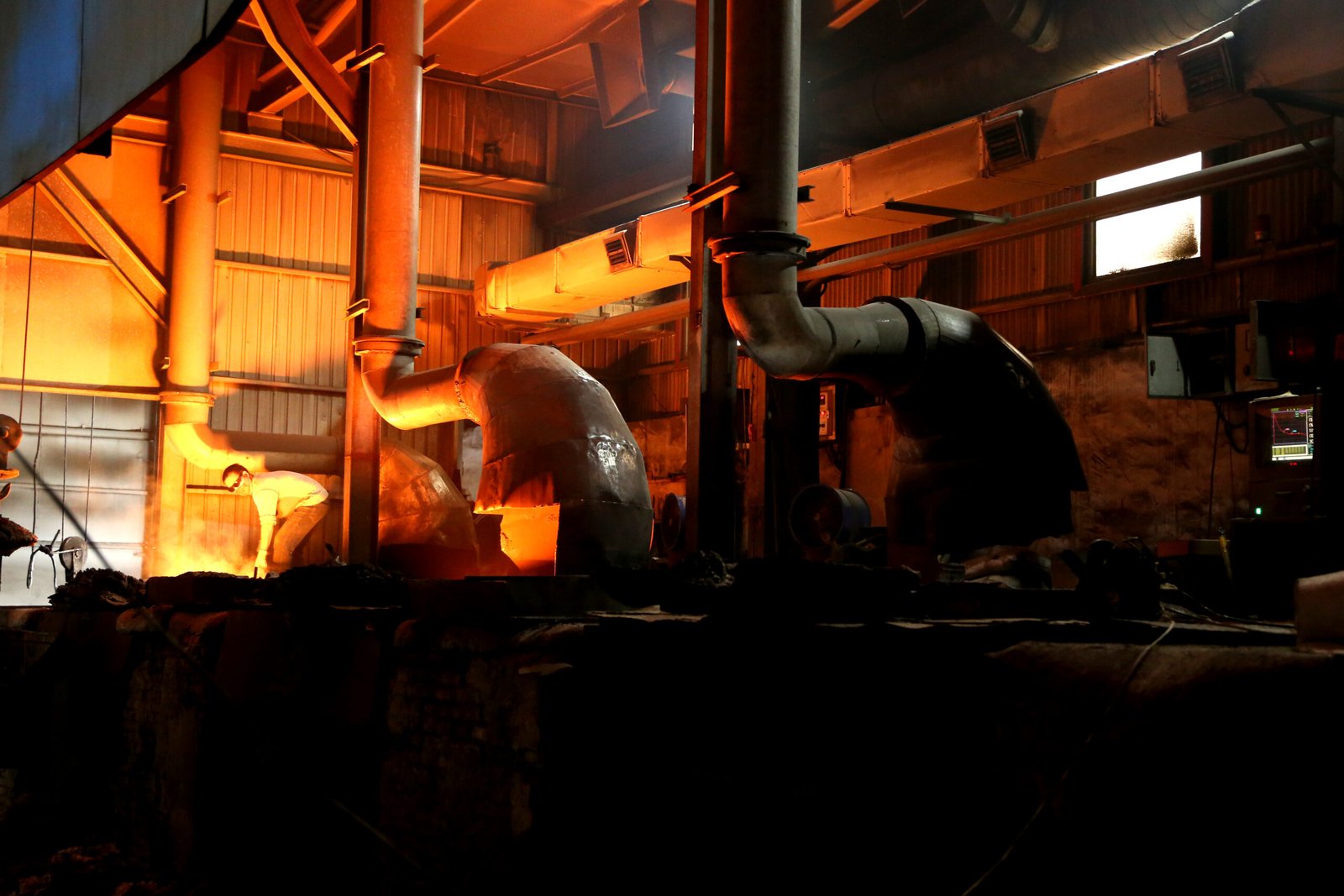
Melt
We add pig iron and defective castings from production to the induction furnace. The temperature of this furnace exceeds 2000 degrees Fahrenheit and can hold 10 metric tons of molten iron. It takes 45 minutes to melt 22,000 pounds of metal charge.
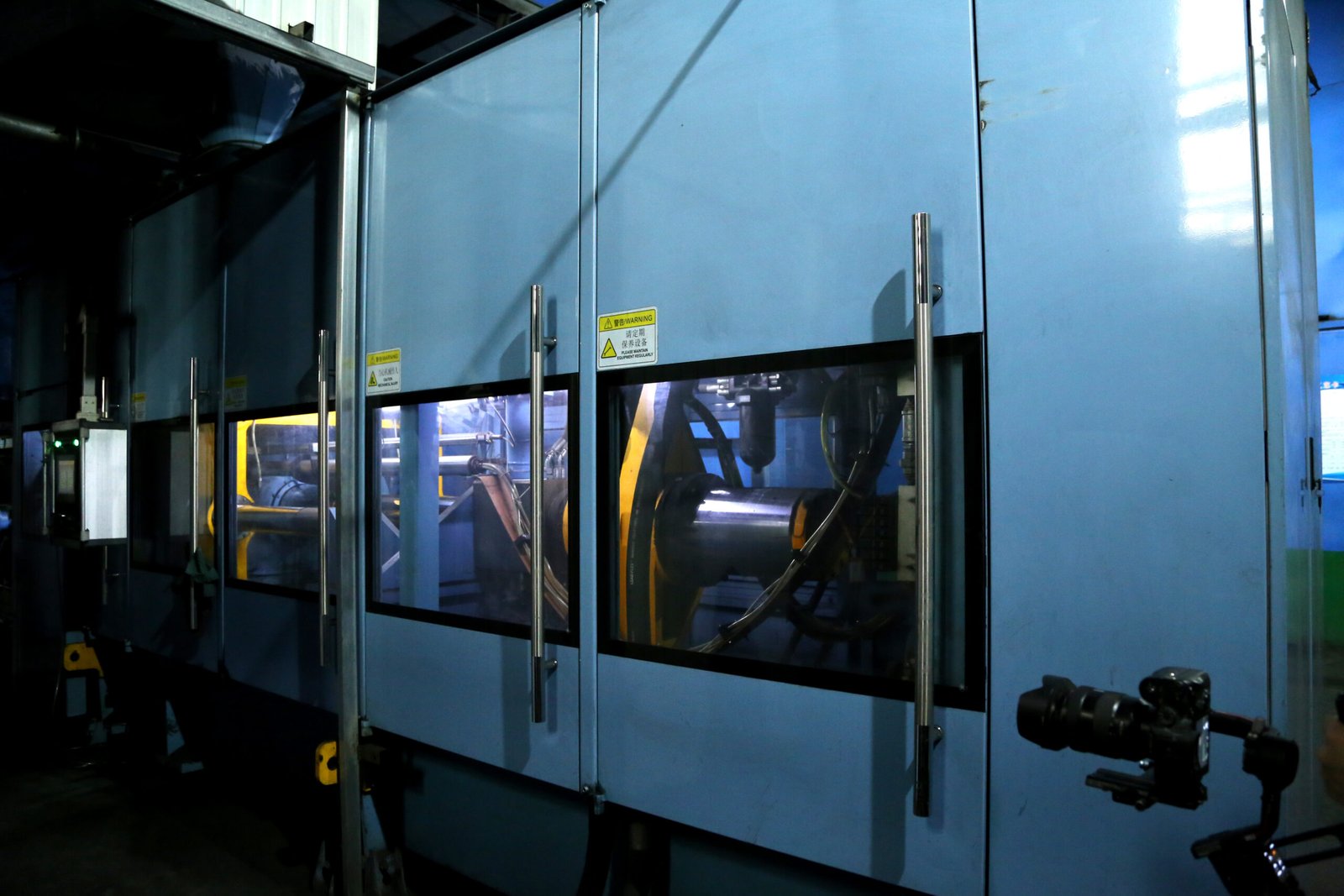
Sand Mold
To make our cookware, we must first start with a pattern. We use the Disamatic molding machine to press a mixture of sand, water, and clay against the pattern and create molds. Each machine is capable of making 350-400 molds an hour.
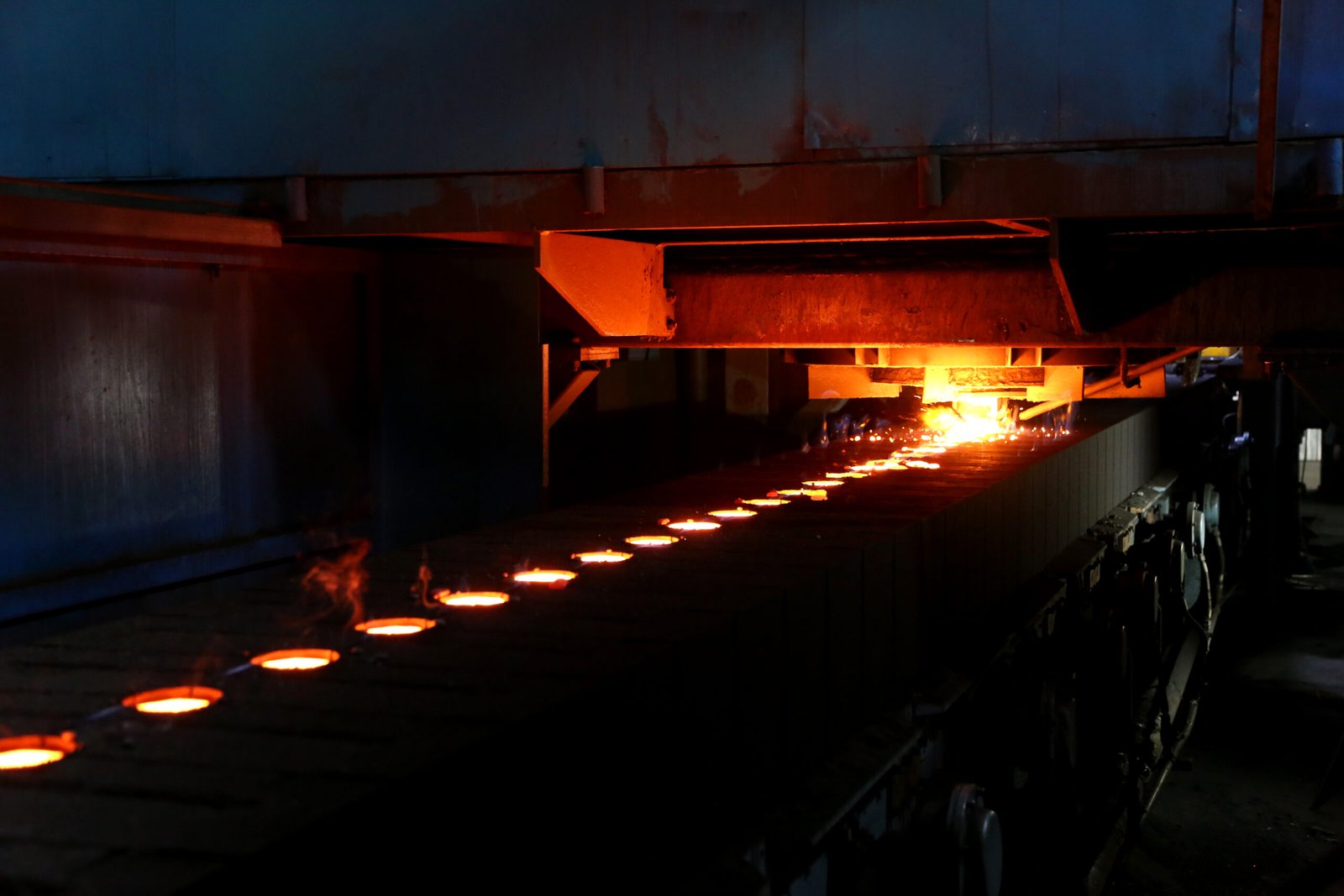
Casting
Once the sand mold is created and the molten iron hits the right temperature, we pour the liquified metal into the mold. Since sand melts at a higher temperature than iron, the mold holds its shape.
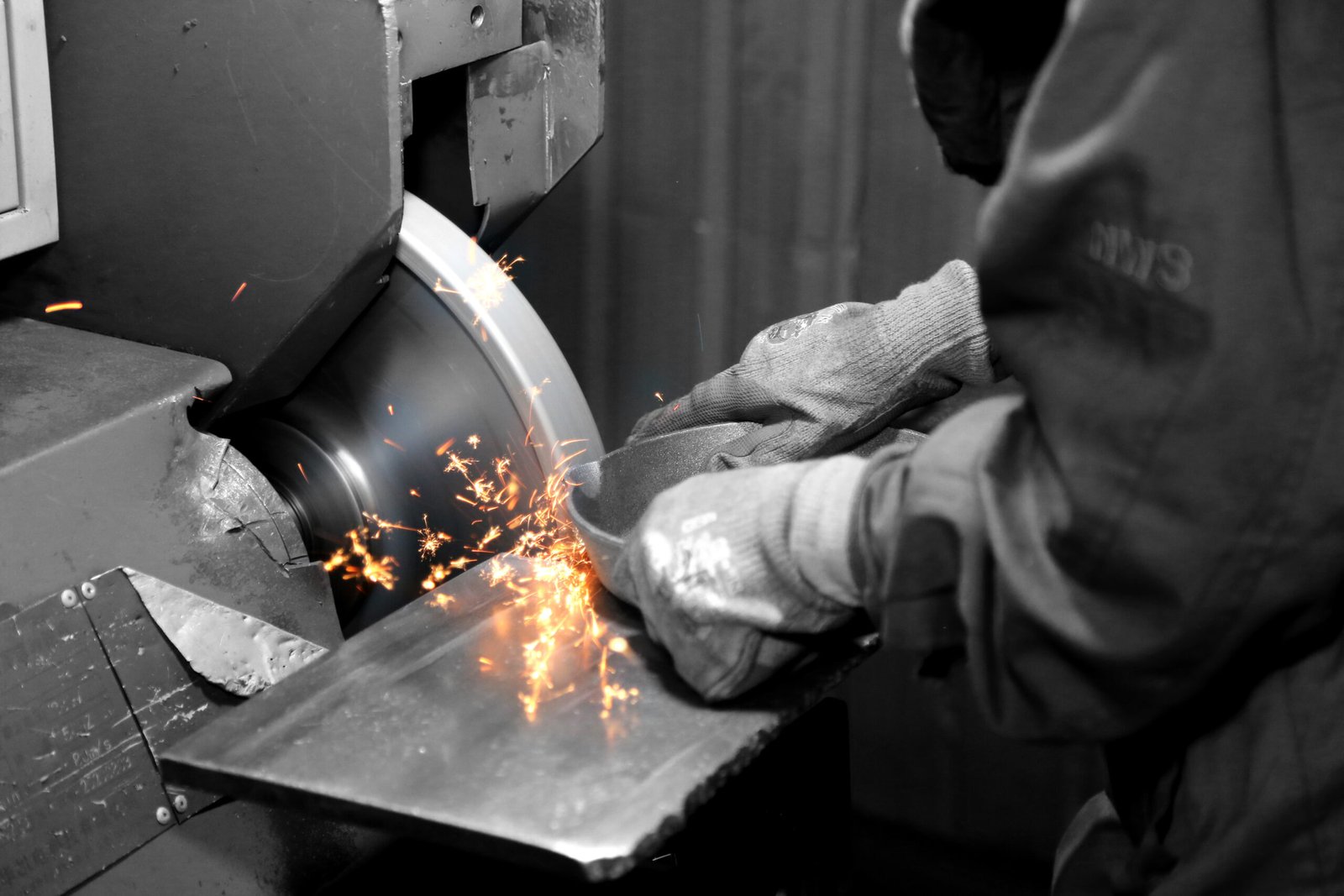
Grinding
After casting, the cast iron pot blanks undergo manual grinding and shot blasting to remove burrs and sand scale, resulting in a smoother surface.
Enamel Glaze
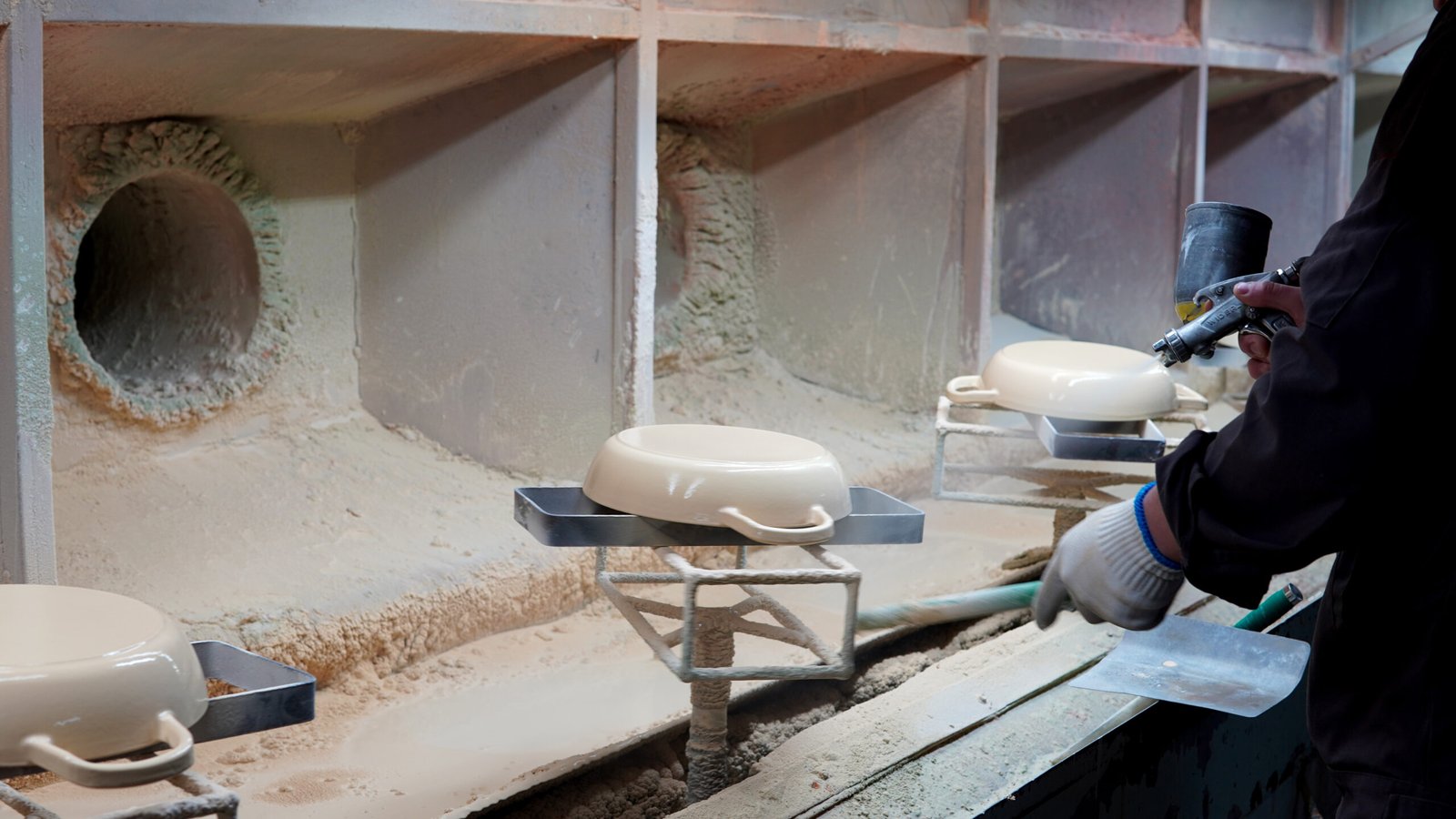
The enamel glaze is applied manually. Each finished casting is coated with one layer of base enamel and two layers of top enamel. We use imported glazes sourced from Turkey, Japan, Belgium and other countries.
Firing Process
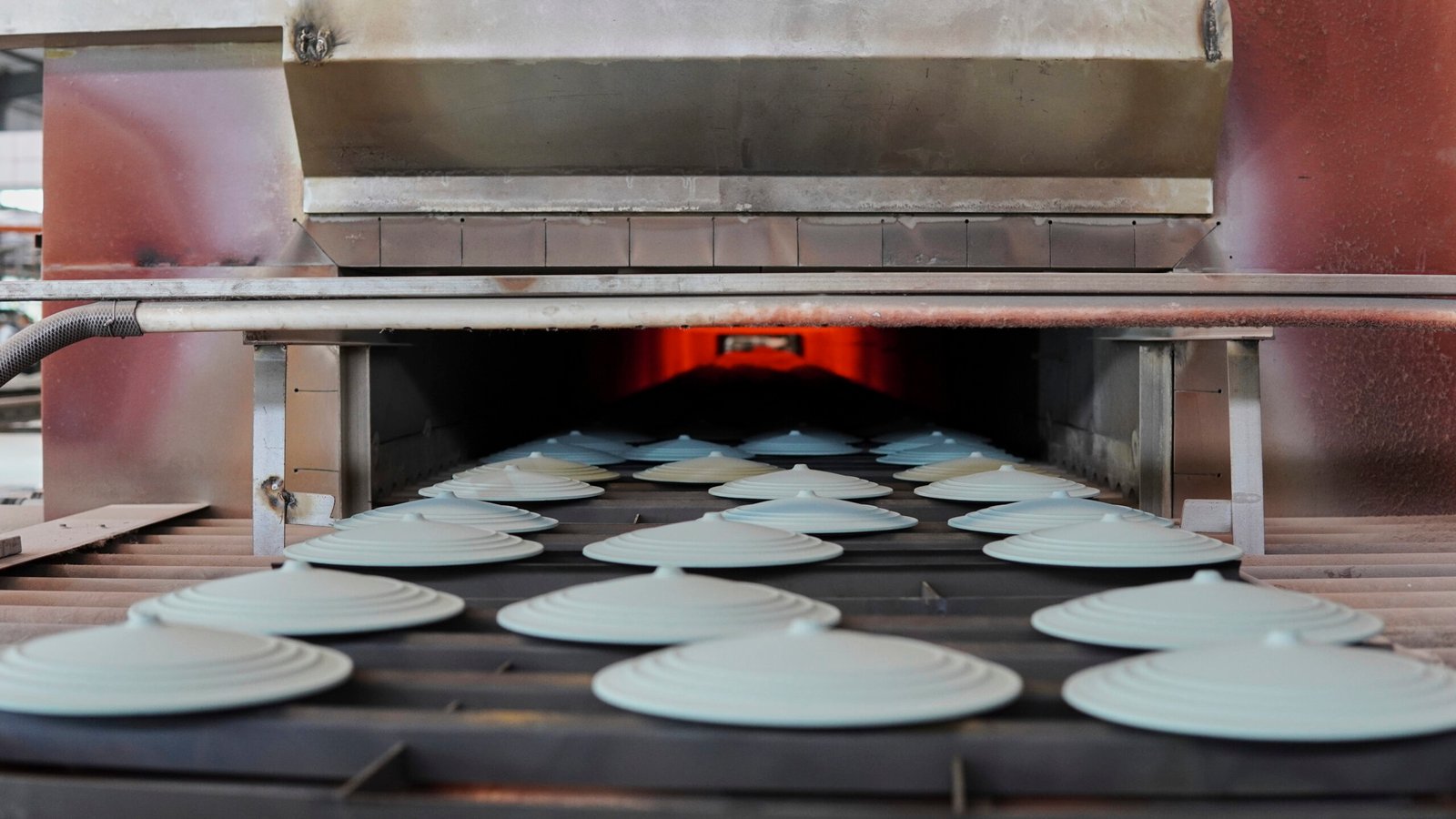
The enamel coating of cast iron enameled cookware undergoes a three-spray, three-fire procedure. After each spray application, the piece is fired at a temperature of 750 degrees Celsius. This precise process ensures the cookware boasts a flawlessly smooth and luxurious enamel surface.
Quality Inspection Process
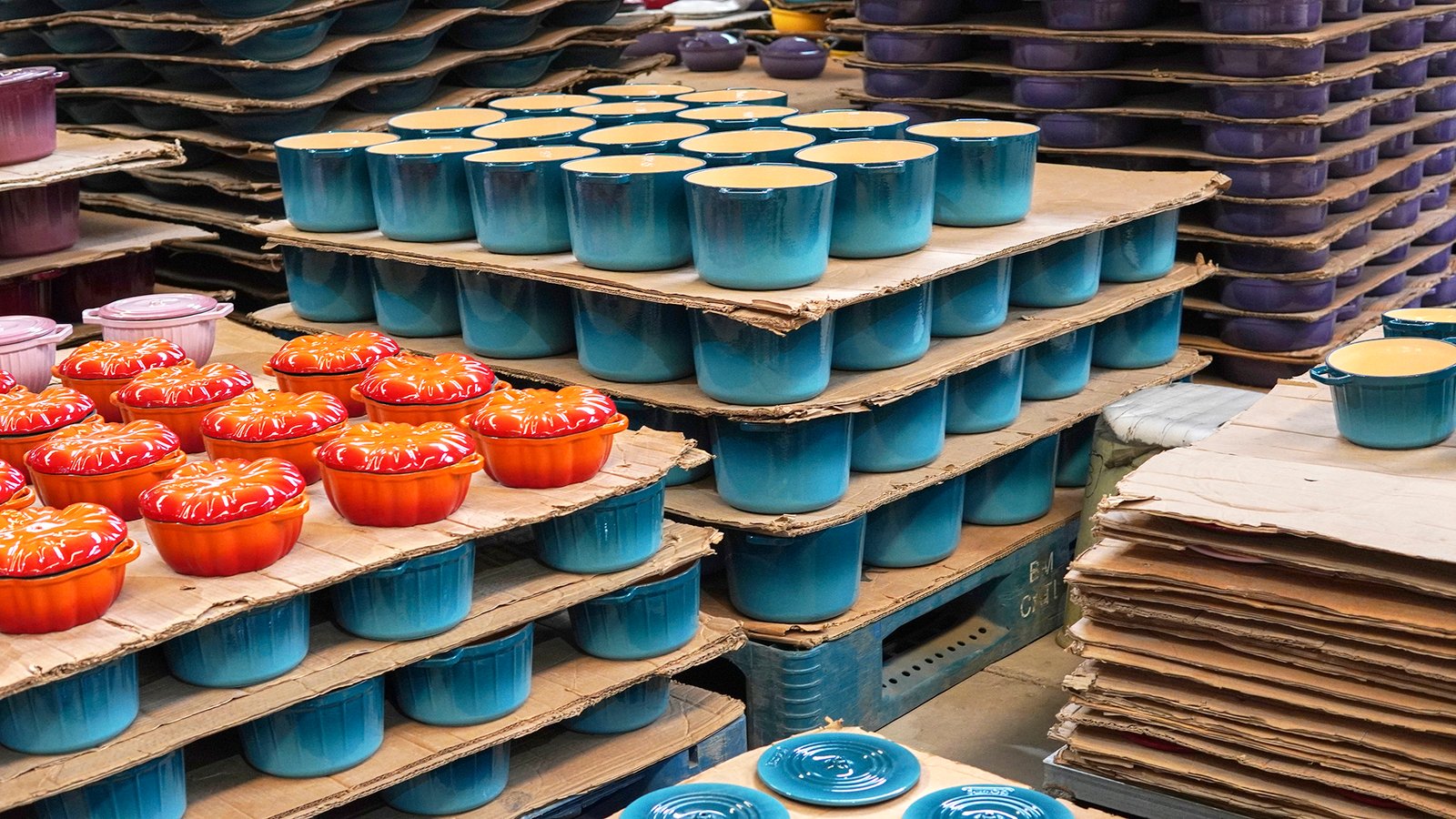
All finished enameled cast iron cookware is subject to dual inspections—manual assessment and equipment-based testing—to ensure full compliance with both domestic sales criteria and international export standards.